Chat with us, powered by LiveChat Clear PPF vs. Color PPF: What's the Difference?
My Cart $-.--
Shop by Category
Quick Order
0
Home At A Glantz Blog Clear PPF vs. Color PPF: What's the Difference?

Clear PPF vs. Color PPF: What's the Difference?

By Mike Goodwin Product Spotlight
Clear PPF vs. Color PPF: What's the Difference?

“Paint protection film” used to mean one thing: a clear layer over factory paint. That's no longer the whole story. Manufacturers across the industry - 3M, Avery Dennison, HEXIS, XPEL, STEK, and others - now offer color and textured PPF alongside their clear lines, and the two products get confused constantly. They share a base technology, but they're built for different jobs, they install differently, and they're not always backed by the same warranty terms. Here's how they compare.

What Is Clear PPF?

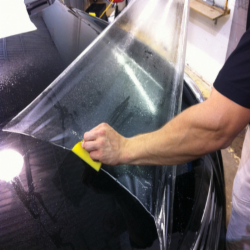
Clear PPF is a transparent polyurethane film applied directly over a vehicle's existing paint. Most clear PPF on the market runs somewhere around 150–200 microns (roughly 6–8 mil), and its job is singular: protect the factory finish underneath from rock chips, road debris, minor scratches, bug etch, and UV fade without changing how the car looks. Done well, a clear PPF install should be nearly invisible.

What Is Color PPF?

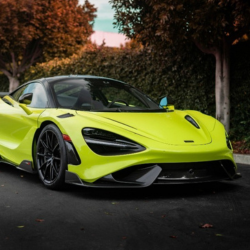
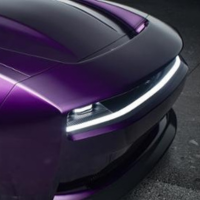
Color PPF takes the same protective film base and adds pigment, tint, or a textured pattern - carbon fiber is the most common - to the film itself. Every major manufacturer markets this under a different name (you'll see it called colored PPF, color change PPF, or a brand-specific product line depending on the manufacturer), but the concept is consistent: the customer gets the impact resistance and self-healing properties of PPF and a changed appearance in one product, rather than layering a wrap over the top of a separate protective film.

12663_83310_MD_PPFGloss.png
AVERY DENNISON SUPREME DEFENSE GLOSS PPF
12663_3Mprotwrap.png
3M PROTECTION WRAP FILM G248 GLOSS VIOLA 
12663_47060_MD_Orafol_270.png
ORAGUARD 270G GLOSS CLEAR STONE GUARD 

Finish Options

This is where the two categories diverge the most. Clear PPF is typically offered in gloss, satin, and matte - finish options that change the sheen but not the color. Color PPF opens up a much wider range: solid colors, satin and matte color finishes, and textured patterns like carbon fiber that are molded or printed into the film to create a 3D effect. If a customer wants their factory paint color to stay exactly as-is with a different sheen, clear PPF in satin or matte does that job. If they want an actual color or texture change, that's the color PPF conversation.

Install Benefits

Both categories share the core installation advantages that make PPF worth selling in the first place: a self-healing topcoat that reflows under heat - sun, warm water, or a heat gun - to smooth out light swirl marks and fine scratches, and a hydrophobic surface that sheds water and dirt, which cuts down on how often the vehicle needs to be washed.

Where they differ is in the install itself. Clear PPF, particularly on precision-cut kits, tends to be the more forgiving product to trim and edge-wrap, and most installers cut their teeth here before moving to color PPF. Color and textured films are less forgiving of stretch - pull a carbon fiber pattern too far around a curve and the texture distorts in a way that's obvious up close, in a way a plain gloss or matte clear film won't show. Some color PPF products use a dry-apply, air-release adhesive designed to make trimming and seam work cleaner, which is worth asking about product to product since it varies by manufacturer.

  • Self-healing topcoat (heat-activated) - standard across most clear and color PPF lines
  • Hydrophobic finish for easier washing and less surface staining
  • Clear PPF: generally the more forgiving cut-and-wrap install, especially on curves
  • Color/textured PPF: less forgiving on stretch; pattern distortion is visible if over-stretched
  • Application method (wet vs. dry-apply) varies by manufacturer and product line, not just by clear vs. color

Warranties

Warranty terms vary by manufacturer and by specific product line, so this is one area worth reading the actual warranty document rather than assuming. As a general pattern across the major brands: clear PPF lines commonly carry a standard manufacturer warranty in the 7–10 year range against yellowing, cracking, and peeling, with some manufacturers extending that to a lifetime warranty when the film is installed by a certified or manufacturer-approved installer.

Color and textured PPF is a newer category industry-wide, and warranty terms tend to be more conservative - often in the 7–10 year range without the same lifetime extensions you'll see on flagship clear films, though this varies by manufacturer and is changing as the category matures. Before quoting a customer a warranty length on any PPF job, confirm the current terms directly from the manufacturer's warranty documentation for that specific product, and make sure your installers are certified where that certification affects coverage.

  Clear PPF vs. Color PPF: Quick Reference

 Clear PPFColor PPF
Primary JobProtect existing paint, invisible finishProtect paint and change the look
Finish OptionsGloss, satin, matteGloss, satin, matte, solid colors, textured patterns (e.g. carbon fiber)
Install ConsiderationsGenerally more forgiving on curves and stretchLess forgiving — overstretching visibly distorts pattern/texture
Shared FeaturesSelf-healing topcoat, hydrophobic surfaceSelf-healing topcoat, hydrophobic surface
Typical Warranty7–10 yrs standard; lifetime available on some lines with certified installOften 7–10 yrs; fewer lifetime options industry-wide — confirm per manufacturer

Whichever brand you're installing - 3M, Avery Dennison, HEXIS, or another - the fundamentals above hold across the category. If you want to compare specific product lines, finishes, or current warranty terms, reach out to your Glantz rep.

Subscribe to updates
Get notified about new announcements, articles, and more!